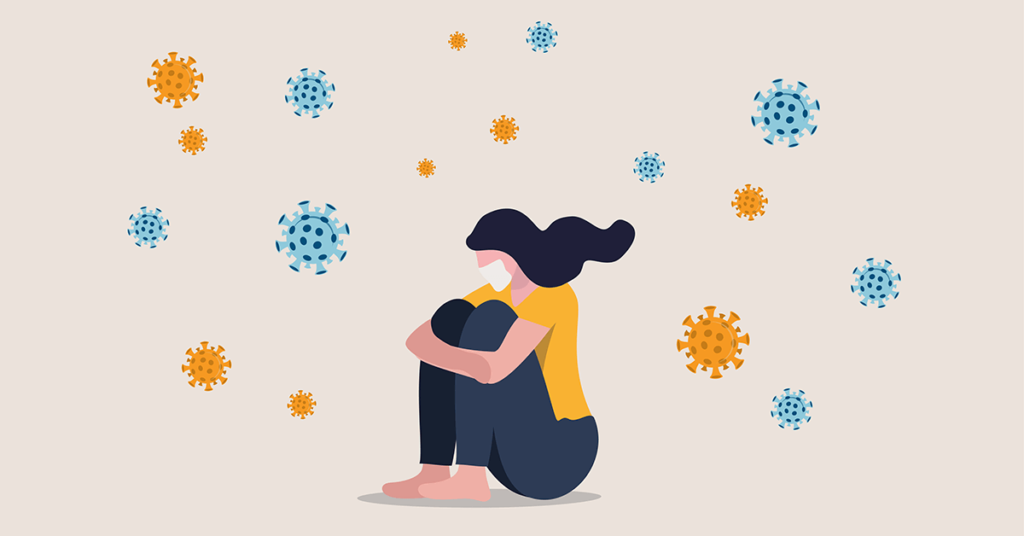
Anxiety can be defined as the body’s natural response to stress, as well as a feeling of unease, including worry or fear, varying from mild to severe. Anxiety is a normal reaction to uncertainty; it is a feeling that everyone feels at some point in their life.
Anxiety can be linked to stress. Stress can cause the same ‘fight, flight, or freeze’ response as anxiety, and the physical sensations of both are similar. Stress, however, can be caused by different factors, and symptoms usually disappear after a stressful situation is over.
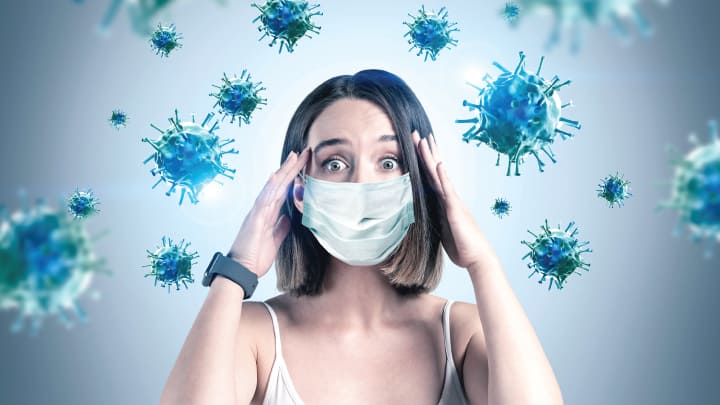
During the current coronavirus pandemic, both stress and anxiety are normal reactions and are to be expected.
Anxiety can stem from the uncertainty of the future, as well as from the difficulties faced when adjusting to the ‘new’ normal. Many people have seen a change in their financial or employment situations, children have experienced a massive disruption in their education and social lives, and with social distancing, more and more people are feeling isolated and lonely; all this could result in feeling more and more anxious and experiencing stress anxiety.
In addition to all these changes, people are also growing more concerned about the health and well-being of themselves and their loved ones, as well as the worsening of chronic health problems. These factors can all lead to a decline in mental health conditions, making anxiety the norm.
Some symptoms of anxiety may include :
- Changes in Appetite
- Diarrhoea
- Dizziness
- Fatigue
- Frequent Urination
- Headaches
- Increased Heart Rate
- Insomnia
- Muscle Tension
- Rapid Breathing
- Shaking
- Stomach Aches
- Sweating
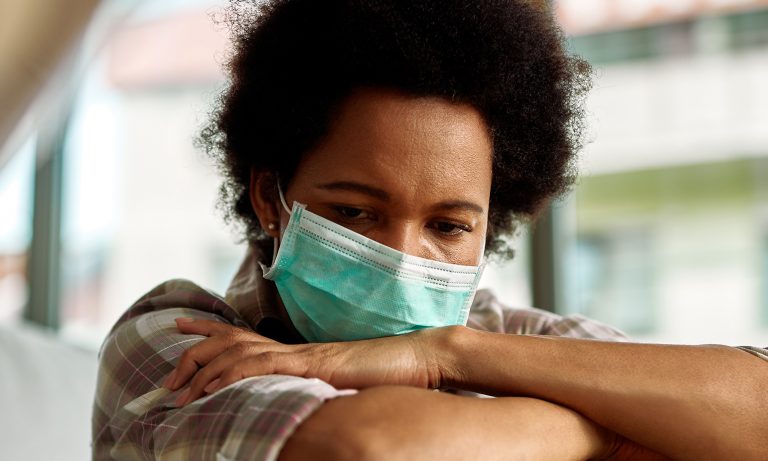
Whenever you notice these symptoms becoming more prominent in your everyday life, you need to take steps to keep your anxiety in check. Taking care of yourself, whether it be with exercise or healthy eating habits, should become a priority. Taking care of yourself can also include talking to a friend, family member, or professional, taking a break from social media and news, focusing on the present, and finding self-management strategies to help you cope better. Lastly, during the pandemic, put yourself at ease by focusing on ways to protect yourself from contracting Covid-19. Follow guidelines, such as regularly washing your hands for at least 20 seconds, use hand sanitisers, wear your mask properly, maintain social distancing, avoid touching your eyes, nose, or mouth, and sustain good respiratory hygiene.