In psychology, stress is considered an interpretation and a response to feelings of strain, pressure, tension, or a potential threat in your environment.
While stress can be a normal reaction, the intensity, severity, and controllability of the stress determine whether the stress is normal or not.
Stress can be caused by a variety of factors like:
- Negative thoughts
- Poor Self-Image
- Feeling Overwhelmed
- Addiction
- Lack of Control over Emotions
- Striving for Perfectionism
- Procrastination.
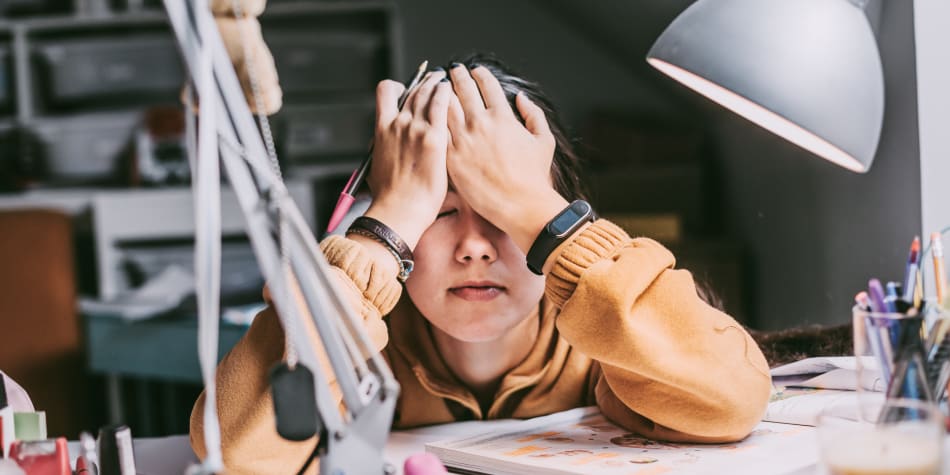
However, stress can also be caused by things we have no control over like:
- Genetics
- Childhood Experiences
- Life Demands like everyday responsibilities of work pressure, family pressure, etc.
- Levels of Emotional Support
Stress does not only affect your mental health but it can affect your physical health as well. Physical symptoms of stress include:
- Chest Pain
- Cramps And Muscles Spasms
- Dizziness
- Fatigue
- Headaches,
- Increased Heart Rate
- Indigestion
- Insomnia
- Nail Biting Back
- Nervous Twitching
- Pins And Needle Sensations,
- Sexual Difficulties,
- Sweating
- Teeth Grinding Or A Clenched Jaw
- Weight Changes
Stress can also affect your mental well-being which can lead to:
- Anger Outbursts
- Burnout
- Concentration Problems
- Feelings of Insecurity
- Forgetfulness,
- Irritability
- Restlessness
- Sadness.
In addition to stress manifesting in physical and mental effects, it can also change the behaviour of individuals affected by stress.
If you ever find yourself craving more food than usual, having anger outburst, or even increasing your drug and alcohol use, you might be suffering from stress. Other changes in behaviour include withdrawing from friends and family, frequently crying, having relationship problems, and restlessness and irritability.
“soak your mind daily to the fullest with all the goodness you can find”
Edwina Mensah-Husselmann
Sever stress should be taken care of as it could lead to :
- A Decrease in Muscle Tissue
- A Lowered Immunity to Fight Diseases
- A Slower Digestive System
- Blood Sugar Imbalances
- Cognitive Abilities
- Decreased Bone Density
- High Blood Pressure
- Inflammatory Responses In The Body
- Respiratory Problems
- Thyroid Function

If you suspect you might be under severe stress, seek medical attention, or implement some self-care techniques to try and manage your stress like:
- It can be as simple as 10 minutes of exercise at least 3 times a week or just taking a walk with a family member or friend or even your pet.
- Learn time management skills, to help you stay organised and prevent unnecessary pressure from deadlines or other responsibilities.
- Guided meditation is been known to relax the body and mind. Mediation takes time to master, so be easy on yourself, if you find your mind drifting, acknowledge it and then simply bring yourself back to the mediation.
- Muscle relaxation exercise like yoga or just stretching your body can already make a major difference in helping your body relax.
- By practising assertiveness by taking small steps to assert yourself, you will start feeling more confident and until then just fake it till you make it.
- Reducing drug and alcohol use and finding healthier options to relieve will make your body feel better thus making you feel better. Small diet changes and implantation of other stress-relieving methods like journaling, taking a break and getting some sun can improve your mood and reduce stress levels.
Remember self-care is important, the human body is like a car if the car is not serviced and taken care of it doesn’t operate the way it should. Be kind to yourself and remember that self-care is important to live a long healthy life.
Edwina says it best when she reminds us to “soak your mind daily to the fullest with all the goodness you can find”.